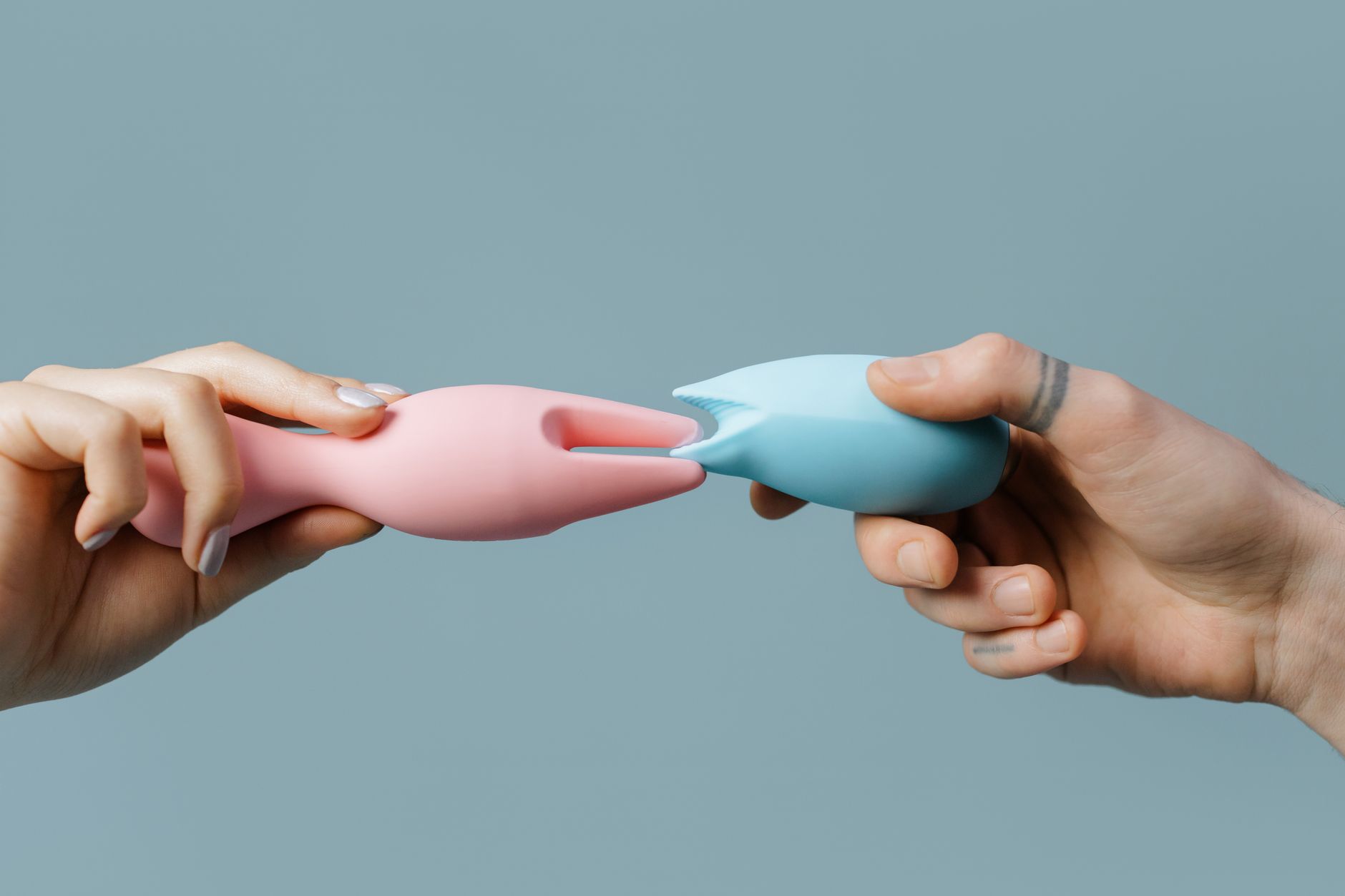
How to Use a Lemon Vibrator for Deep Clitoral Sensitivity When You Struggle With Numbness
Let's be real. Clitoral numbness is one of the most frustrating things that can happen during pleasure. You feel the vibration, you know you should be feeling it, but there's this weird disconnection between stimulus and sensation. The orgasm either doesn't come or feels muted and distant. It's demoralizing, and it makes you question whether your body is broken.
Here's what I tell my clients: your body isn't broken. But your approach might be.
Clitoral numbness has three main causes. Sometimes it's physical. Sometimes it's psychological (stress, anxiety, distraction). Sometimes it's technical. That last one is where lemon vibrators actually change the game.
Why traditional vibrators cause numbness faster
Most clitoral vibrators work by rapid oscillation. They buzz. The stimulation is direct, repetitive, and high-frequency. When you use them consistently at high settings, your nerve endings adapt. This is called tactile habituation. Your nervous system literally gets bored and stops responding as intensely.
The problem gets worse if you push through numbness by increasing intensity. Higher settings trigger faster adaptation. Within weeks, you're chasing sensation you can't quite reach. The cycle becomes self-perpetuating.
Lemon vibrators work differently. Instead of direct oscillation, they use air-pulse suction technology. This creates a pressure-based sensation that stimulates deeper nerve clusters in the clitoral complex. The pulsing pattern is rhythmic rather than monotonous, which means your nervous system stays engaged instead of habituating.
In practical terms: a lemon vibrator feels completely different from a traditional vibrator. It's not stronger. It's another sensation entirely.
Understanding lemon suction and nerve response
Your clitoris has approximately 8,000 nerve endings concentrated in a small area. When stimulated by suction, these nerves light up in a different pattern than they do with vibration.
Think of it this way. Vibration is like tapping. Suction is like a gentle pull. Your nervous system processes each through different sensory channels. If you've been using vibration and hit numbness, introducing suction often resets the sensation entirely.
This is especially true if you've been using high vibration settings. Switching to a lemon clitoral vibrator at low-to-medium pulse settings often produces more intense sensation than you've felt in months.
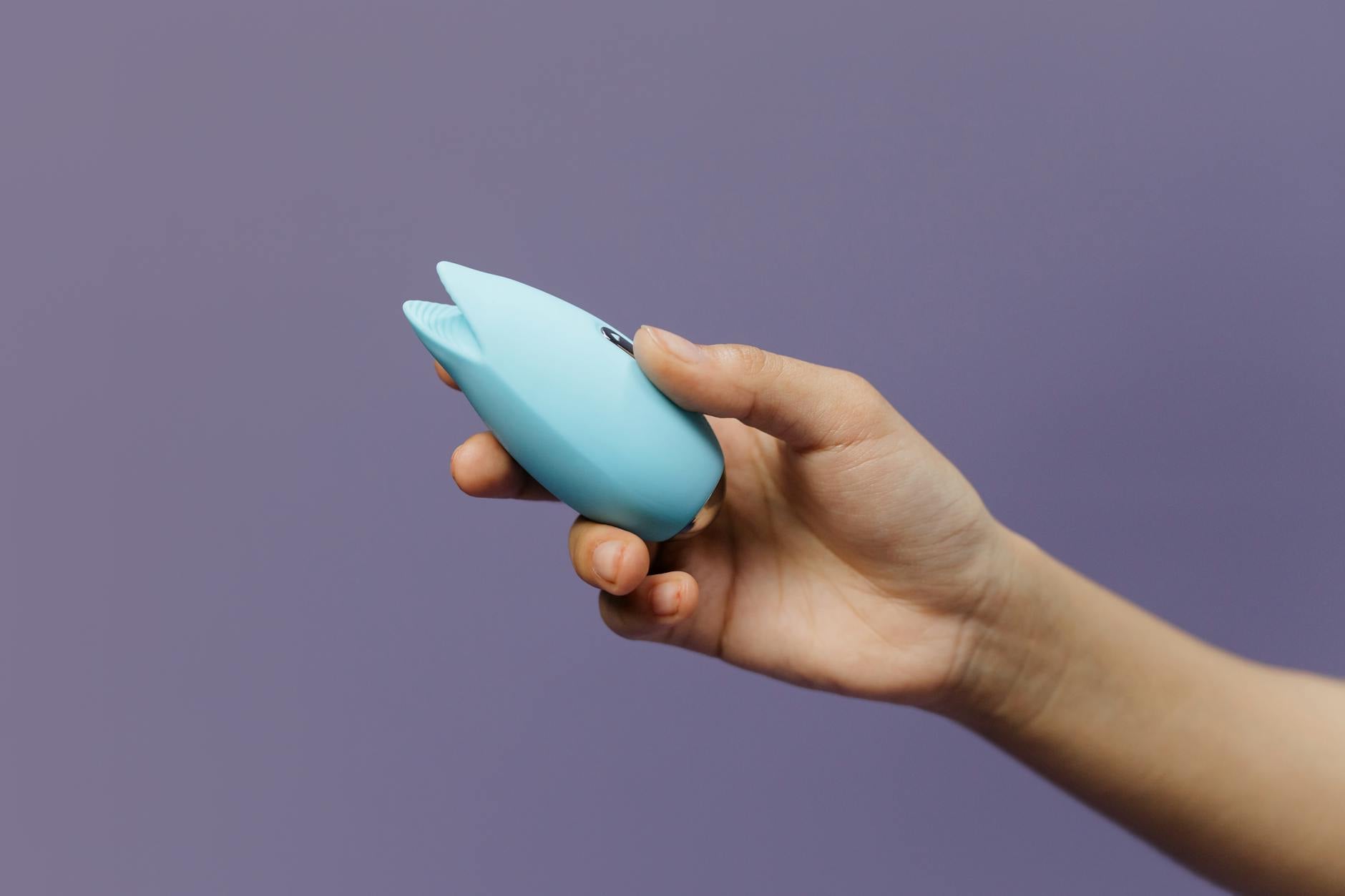
Photo by cottonbro studio on Pexels
This isn't magic. It's neuroscience. Your nervous system distinguishes between pressure, vibration, touch, and temperature. When you've exhausted one channel, switching to another often restores clarity.
The lemon vibrator settings guide for numbness recovery
If you're new to a lemon vibrator and you've been struggling with numbness, here's how to reawaken sensation:
Weeks 1-2: Start at pattern 1 or 2. These are the lowest pulse patterns. Use them for 10-15 minutes in a relaxed state. Your only job is to notice the sensation. Don't chase orgasm yet. Your nervous system needs to relearn what this feels like.
Weeks 3-4: Alternate between patterns 2 and 3. Spend 5 minutes at pattern 2, then move to pattern 3. Notice the difference. You're training your nervous system to distinguish between intensities again.
Weeks 5+: Experiment with what works. Many people find they never need to go above pattern 4 or 5, because the sensation is so different from traditional vibrators that lower settings feel deeply satisfying.
The key is patience. You didn't develop numbness overnight. You won't recover from it overnight either.
Why your mental state matters more than you think
Here's where I get direct with my clients. Clitoral numbness almost always involves tension, anxiety, or performance pressure.
You feel numb. So you increase intensity. This creates more pressure to feel something. The pressure makes your body tense. A tense body can't feel as much. Numbness deepens. You increase intensity again.
Breaking this cycle requires interrupting the tension pattern, not just changing your toy.
When you switch to a lemon vibrator, you also need to switch your mindset. Use it in a completely different environment or time of day than you used previous toys. Give yourself explicit permission to feel nothing and still call it a win. Spend time with the toy just building sensation without expecting orgasm.
How to Use a Lemon Vibrator When Your Body Feels Numb to Sensation goes deeper into this psychological piece, if you want tactics for managing the mental side.
When numbness isn't just habit
Sometimes numbness signals something beyond habituation. If you've been pain-free and suddenly develop numbness, or if numbness is localized to one side, get it checked by a gynecologist. Nerve damage from injury, certain medications, or hormonal changes can cause desensitization that a vibrator won't fix.
But here's the good news. Even if numbness is medical in origin, many of my clients find that Best Lemon Vibrator Settings When You Want Strong Sensation Without the Numbness offers them tools to work with their bodies more effectively while they address the underlying cause.
The recovery timeline and what to expect
Most people see improvement within 2-3 weeks of consistent use with a lemon vibrator, especially if they're also addressing the tension and performance pressure components.
You might notice sensation returns unevenly. One day the feeling is vivid. The next day it's duller. This is normal. Your nervous system is recalibrating. Stick with low-to-medium settings. Be patient.
Some people report that their most intense orgasms come after numbness recovery, because they've essentially rebooted their nervous system's sensitivity. The relief of feeling something again creates its own kind of pleasure.
Red flags that mean recalibrate
If you're using a lemon vibrator and still experiencing persistent numbness after 4 weeks, or if numbness worsens, pause and reassess. This might mean:
You need to lower settings even further (yes, some people recover best at the absolute minimum patterns).
You have underlying anxiety that needs addressing separately from the toy itself.
You're still operating from a performance-pressure mindset.
You have a medical condition that requires professional attention.
How to Use a Lemon Vibrator When You Have Anxiety About Orgasm Timing tackles the anxiety angle specifically, if that resonates.
Beyond the toy: rest and sensation-building
I tell my clients that numbness recovery needs context beyond just using a new toy.
Take breaks from any kind of clitoral stimulation for a week or two. Your nervous system needs a reset. No vibrators, no vigorous touch, nothing.
Then introduce sensation gradually. Non-sexual touch. Massage. Temperature play (ice, warmth). Let your nervous system remember that pleasure comes in many forms, not just intense climax.
When you return to a lemon vibrator after this kind of break, the sensation often feels revelatory. You're not numb anymore.
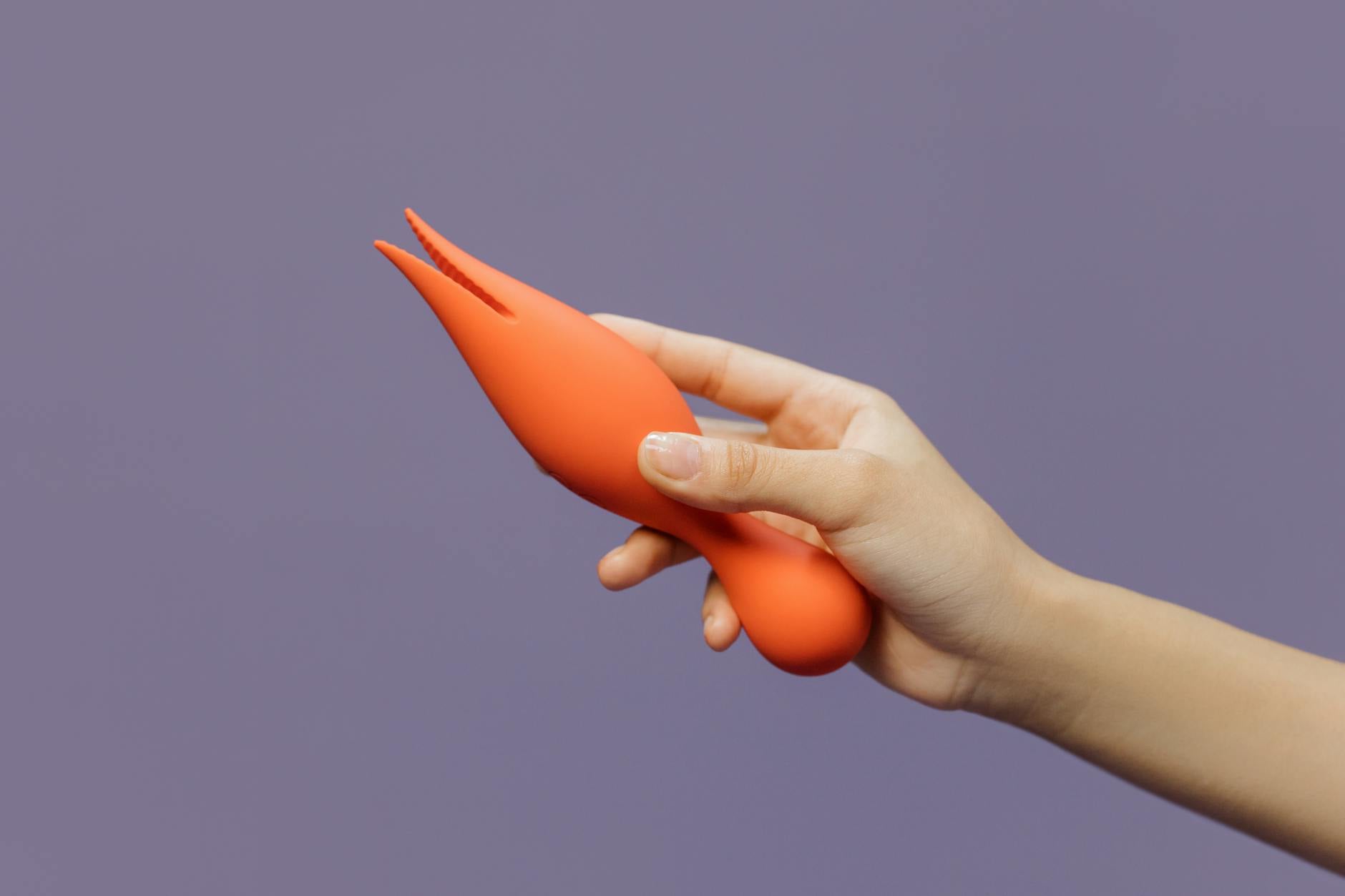
Photo by cottonbro studio on Pexels
Why lemon clitoral vibrators specifically help
The suction-based technology of lemon vibrators bypasses the adaptation patterns that traditional vibrators create. The pulse pattern is sophisticated enough that your nervous system stays engaged instead of habituating. The sensation reaches deeper nerve clusters that haven't been desensitized by repetitive surface stimulation.
For people recovering from numbness, this often feels like discovering pleasure for the first time.
It's not that other toys don't work. But if you've been stuck in a cycle of increasing intensity and decreasing sensation, switching to a fundamentally different technology interrupts the pattern in a way that incremental changes don't.
The practical next step
If you're dealing with clitoral numbness right now, here's what I want you to do.
Don't keep pushing with what isn't working. The "just try harder" approach makes numbness worse, not better.
Consider trying a lemon vibrator specifically because it works through a different mechanism. Start at the lowest settings. Give yourself 2-3 weeks of consistent, low-pressure exploration. Notice what changes.
Remember that numbness recovery involves your whole body and your mindset, not just the toy. Manage the pressure. Take breaks. Build sensation gradually.
If numbness persists beyond a month, or if it appeared suddenly, check in with a gynecologist to rule out underlying medical causes.
Your sensitivity matters. Your pleasure matters. And there are absolutely techniques and tools that can bring both back.
People also ask
Can you permanently damage clitoral sensitivity with vibrators?
No. Clitoral nerve endings don't die from vibration. What happens is adaptation and habituation. Your nervous system gets used to the stimulus and stops responding as intensely. This is reversible. Taking breaks, changing stimulation types, and switching to different technologies (like suction-based lemon vibrators) all help restore sensitivity. The damage is temporary and completely recoverable.
How long does it take for clitoral sensitivity to come back?
Most people notice improvement within 2-3 weeks of switching stimulation methods and managing pressure. Full sensation recovery typically takes 4-8 weeks. The timeline depends on how long you were numb, how much pressure you were using, and your stress levels. Be patient. Rushing the process usually extends it.
Is clitoral numbness a sign I need to see a doctor?
If numbness developed gradually from toy use, it's almost always habituation. But if numbness appeared suddenly, is localized to one side, or comes with pain or other changes, see a gynecologist. Certain medications, hormonal changes, and nerve-related conditions can cause desensitization. Ruling those out is important.
Do all clitoral vibrators cause numbness?
Not equally. High-frequency oscillating vibrators cause faster adaptation than low-frequency or suction-based options. Lemon vibrators and other air-pulse toys tend to cause less numbness because they stimulate through pressure rather than repetitive oscillation. If you're prone to numbness, suction-based technology is generally a better choice.
What's the difference between numbness and low arousal?
Numbness is a physical desensitization. You're physically stimulated but don't feel it strongly. Low arousal is psychological. Your mind isn't engaged, so even though you might feel sensation, it doesn't build toward pleasure. Both require different fixes. Numbness requires changing stimulation method and taking breaks. Low arousal requires managing stress, building connection, and sometimes addressing anxiety or relationship issues separately.
Can I use a lemon vibrator while recovering from numbness?
Absolutely. In fact, it's often the best choice because it introduces completely different sensory input. Start at the lowest settings. Use it for short sessions (10-15 minutes). Focus on noticing sensation rather than chasing orgasm. Many people find that lemon clitoral vibrators help them recover sensitivity faster than taking breaks alone, because the new sensation mechanism engages different nerve pathways.
Ready to reset
Clitoral numbness feels permanent when you're in it. It's not. It's adaptation, and adaptation can be reversed. The key is interrupting the cycle that created it. That means changing your approach, managing the pressure, and often switching to a different kind of stimulation entirely.
A lemon vibrator isn't a magic fix. But it's a fundamentally different tool. For people stuck in numbness, that difference often makes all the difference.
If you want to talk through your specific situation, reach out. Sometimes the fastest path forward is a real conversation.
Sources
Goldstein, I., et al. (2022). The International Society for Sexual Medicine's definition of female sexual dysfunction: A clinician's perspective. Journal of Sexual Medicine, 19(3), 384-393.
Levin, R. J. (2006). The physiology of sexual arousal in the female. In I. Goldstein, C. M. Meston, S. R. Davis, & A. M. Traish (Eds.), Women's sexual function and dysfunction: Study, diagnosis and treatment (pp. 64-82). Taylor & Francis.
Hucker, A., & McCool, M. E. (2018). Clitoral pain. In M. E. McCool, L. Veves, & D. Chopra (Eds.), Women's sexual function and dysfunction (pp. 334-350). Springer Publishing.