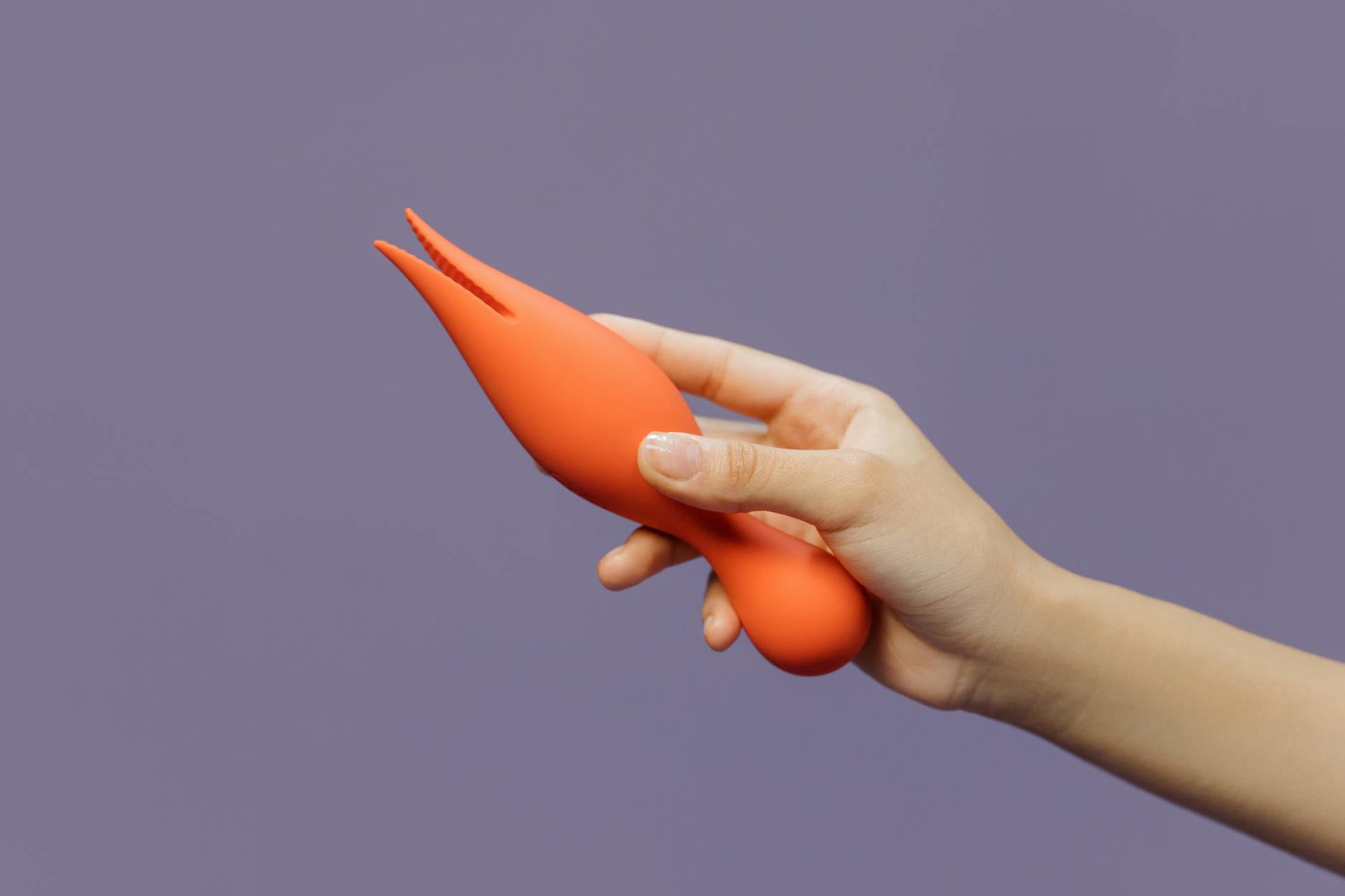
How to Use a Lemon Vibrator When Pleasure Feels Rushed or Pressured
Pressure doesn't activate pleasure. It deactivates it. Here's how a lemon sucker helps you reclaim slow, intentional sex when everything feels hurried.
Let's be real. Sometimes sex stops feeling like something you want and starts feeling like something you should want. The timeline tightens. Your partner has 30 minutes before work. You're mentally still half in your email. The pressure mounts, arousal doesn't, and you end up performing instead of actually present.
The good news: pressure and a lemon vibrator are fundamentally incompatible. A lemon clitoral vibrator forces the pace to slow down because it works differently than penetration or manual stimulation. It demands presence. And that single shift can transform sex from obligatory to something you actually want to finish.
Your body has two nervous systems running the show: sympathetic (fight-or-flight) and parasympathetic (rest-and-digest). Arousal lives in the parasympathetic system. Pressure lives in sympathetic. They can't occupy the same space at the same time.
When you're rushing, your nervous system reads the situation as a task, not a pleasure. Blood flow stays in your core muscles instead of your genitals. Your pelvic floor tenses instead of relaxes. Sensation dulls. Orgasm becomes harder or impossible. Your brain is running a checklist, not enjoying anything.
A lemon vibrator short-circuits that. Because suction stimulation activates pleasure centers in ways that feel different than anything your nervous system is used to, it's harder to autopilot through it. You have to actually pay attention. And when you pay attention, pressure drops.
Here's what I see in my practice again and again. Partners introduce a lemon toy expecting it to speed up sex. Instead, it does the opposite. It forces negotiation. "Okay, this needs 15 minutes, not 5." "We need quiet focus for this to feel good." "Let's not rush this part."
Suddenly, the pressure that was driving both of you is split into two different conversations. One partner is managing the external timeline. The other is managing sensation. Together, you're no longer racing toward a finish line. You're managing an experience.
That sounds like more complexity. In practice, it feels like relief.
Three things need to happen before a lemon clitoral vibrator can do its job:
1. Time boundaries that feel real. Not "whenever," but "we're setting aside 30 minutes and we're not checking our phones." Or "I'm going to spend 20 minutes solo and not think about what's next." Boundaries paradoxically create freedom. Knowing you have real time makes the pressure dissipate.
2. Starting at low intensity. If you come at this with intensity level 5 right away, you're still rushing. Start at pattern 1 or 2. Spend 5-7 minutes there. Notice what's happening. Build. The lemon sucker's strength is that you can stay in low-intensity pleasure for a long time without numbness. Use that.
3. No outcome goal. This is hard for people who have learned to have sex as a box to tick. Stop aiming for orgasm. Aim for sensation. For noticing where pleasure lives. For enjoying being touched. Orgasm may follow. It might not. Both are fine.
If you're in a relationship where sex feels obligatory, a lemon vibrator is a tool, not a solution. But it's a really useful tool because it makes the problem obvious and hard to ignore.
Before you even use it together, say out loud: "I want sex to feel good again, and right now it feels rushed. I'm going to use a toy that requires time and focus. Are you willing to slow down with me?"
That conversation is the real work. Some partners say yes immediately. Some need to hear more about why this matters. Some get defensive because they think you're critiquing them. Let that happen. That defensiveness usually means they're also feeling the pressure but didn't know how to name it.
Once you're both in, the lemon vibrator becomes a translator. It's not replacing your partner. It's extending the encounter. Your partner can be hands-on during the build, then you can take the device and focus on sensation while they touch you elsewhere, or watch, or just be present.
Pressure drops because now you're collaborating instead of performing.
Pressure isn't just about partners. It's also internal. You think you should be turned on. You think sex should be automatic. You think if you were doing it right, this would feel easier.
None of that is true. And solo time with a lemon clitoral vibrator is where you actually reprogram those beliefs.
Without an audience, without a timeline, without needing someone else to finish so you can get on with your day. Just you and a tool that lets you explore at your actual pace.
Start with 15 minutes. Set a timer so you're not thinking about time. Start at pattern 1. Let yourself feel what happens when there's zero pressure to achieve anything. Most people find their first real pleasure in weeks or months happens in that context.
Sometimes the rush isn't about the clock. It's about feeling like your partner wants you to be different. Faster. Easier. More spontaneous. Different in body, or response, or desire.
That pressure is harder to fix with a toy. But a lemon vibrator still helps because it makes the difference in arousal visible. When you use it, you'll probably reach arousal faster. You'll probably feel more sensation. Your partner might see that and realize the pressure they're putting on you was the actual problem, not your body.
Or they won't. And that's data too.
Either way, the tool creates space to notice what's actually happening versus what you're telling yourself is supposed to happen.
Pressure often leads to numbing. You stop feeling because feeling hurts. A lemon vibrator works well here because the sensation is hard to numb out from. It's localized. It's distinctive. It demands presence.
But here's the thing: if you use it at high intensity while still feeling pressured, you're just numbering yourself faster. The goal is to use lower intensities specifically to practice pleasure without numbing.
Patterns 1-3 on a lemon sucker are stronger than you'd think. Spend time there. Let your nervous system actually calm down and learn that pleasure is possible without urgency.
As the pressure lifts over weeks, you'll probably find that higher intensities feel better because you're not bracing against them.
Defensiveness often masks fear. Your partner might worry you're losing interest, or that they're doing something wrong, or that this is the beginning of disconnection. None of those things are necessarily true, but they feel real to them. Start with "I want to enjoy this more," not "This is too fast." Frame it as something you're doing for you, not something they're doing wrong.
It's a tool, not a cure. If the pressure is coming from a deeper relational issue, fear, or trauma, a toy won't solve that. But it can create enough of a shift in the experience that you can see what's actually driving the pressure. That clarity helps you decide what needs to change next.
Days for some people. Weeks for others. It depends on how long the pressure has been present and whether the underlying situation is actually shifting. If you're using the toy but the rushed feeling remains, that's information that you need a different conversation or change, not just a different tool.
Start solo. Build a relationship with sensation when there's zero external pressure. Then, when you feel ready, invite your partner into a slower version of what you discovered alone. This prevents your partner's presence from becoming another layer of pressure.
You don't need it. You're choosing it because it works. That's not weakness or dysfunction. That's strategy. Athletes use tools. Dancers warm up. Your body benefits from a lemon vibrator in the same practical way.
Yes, but not directly. The tool can be part of a conversation about inclusion. "I want you in this with me. I want to feel good together. This toy is how that happens." Some partners hear that and shift. Some don't. If your partner consistently feels threatened by something that helps you, that's the real issue, not the toy.
Here's what I want you to know. Sex doesn't have to feel rushed. Pleasure doesn't have to be obligatory. You're not broken for needing to slow down. And a lemon clitoral vibrator is exactly the kind of tool that makes slow not just possible, but preferable.
Start with solo time. Build permission to go slow. Then, if you have a partner, invite them into that slow version. Let the pressure drop. Notice what you actually want instead of what you think you should want.
That's how pleasure becomes real again.
If you're navigating relationship dynamics around sex and pressure, I'm here to help you think through the deeper conversation. Reach out and let's talk about what slow, intentional intimacy could look like for you.