Why Lemon Vibrators Feel Different After Hormonal Changes
Your clitoris hasn't lost its nerve endings. Your arousal pattern shifted. Here's what's actually happening, and why a lemon vibrator might feel better now than ever.
Hormone fluctuations alter sensation. They don't erase it. That distinction matters because most conversations about hormones and pleasure collapse into catastrophizing. Either you're told nothing changes (wildly untrue) or everything's ruined (also untrue). Both leave you confused about what's actually happening in your body.
Here's the physiology: when estrogen dips, tissue thickness decreases, natural lubrication shifts, and the timeline for arousal extends. Your clitoris still has all its nerve endings. Your brain still makes pleasure chemicals. What's different is the path, not the destination.
Estrogen affects tissue elasticity and blood flow to genital areas. Lower estrogen means thinner, more delicate tissue and slower vasocongestion (the blood rush that creates sensation). Testosterone, which people with ovaries produce too, influences desire intensity and orgasm strength. When both drop, arousal often takes longer to ignite, and the sensation profile changes.
This is why something that worked perfectly for you at 25 might feel too intense at 40, or why you need a different warm-up strategy now. You haven't lost capacity. The system just operates on a different timeline and requires different input.
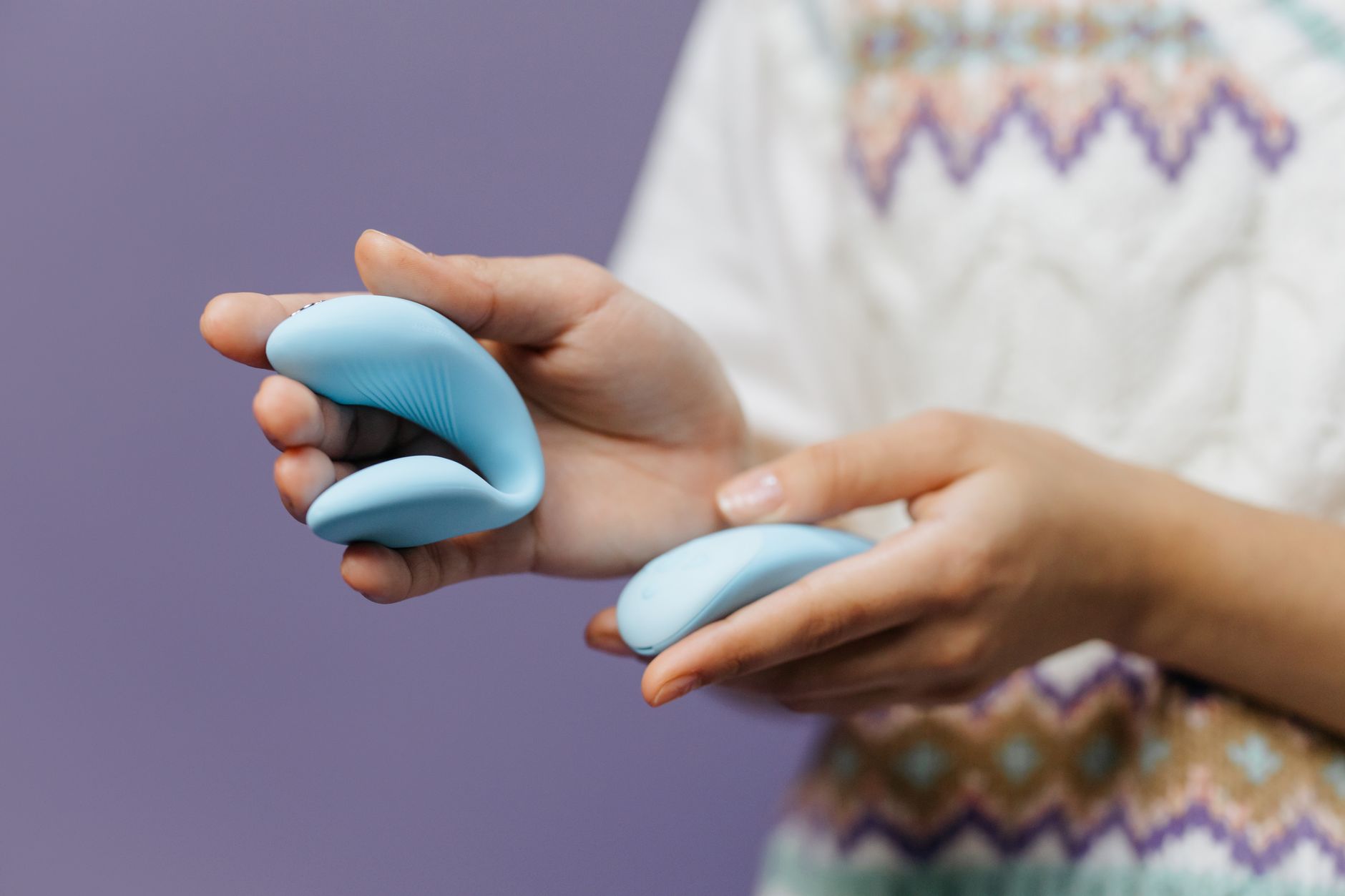
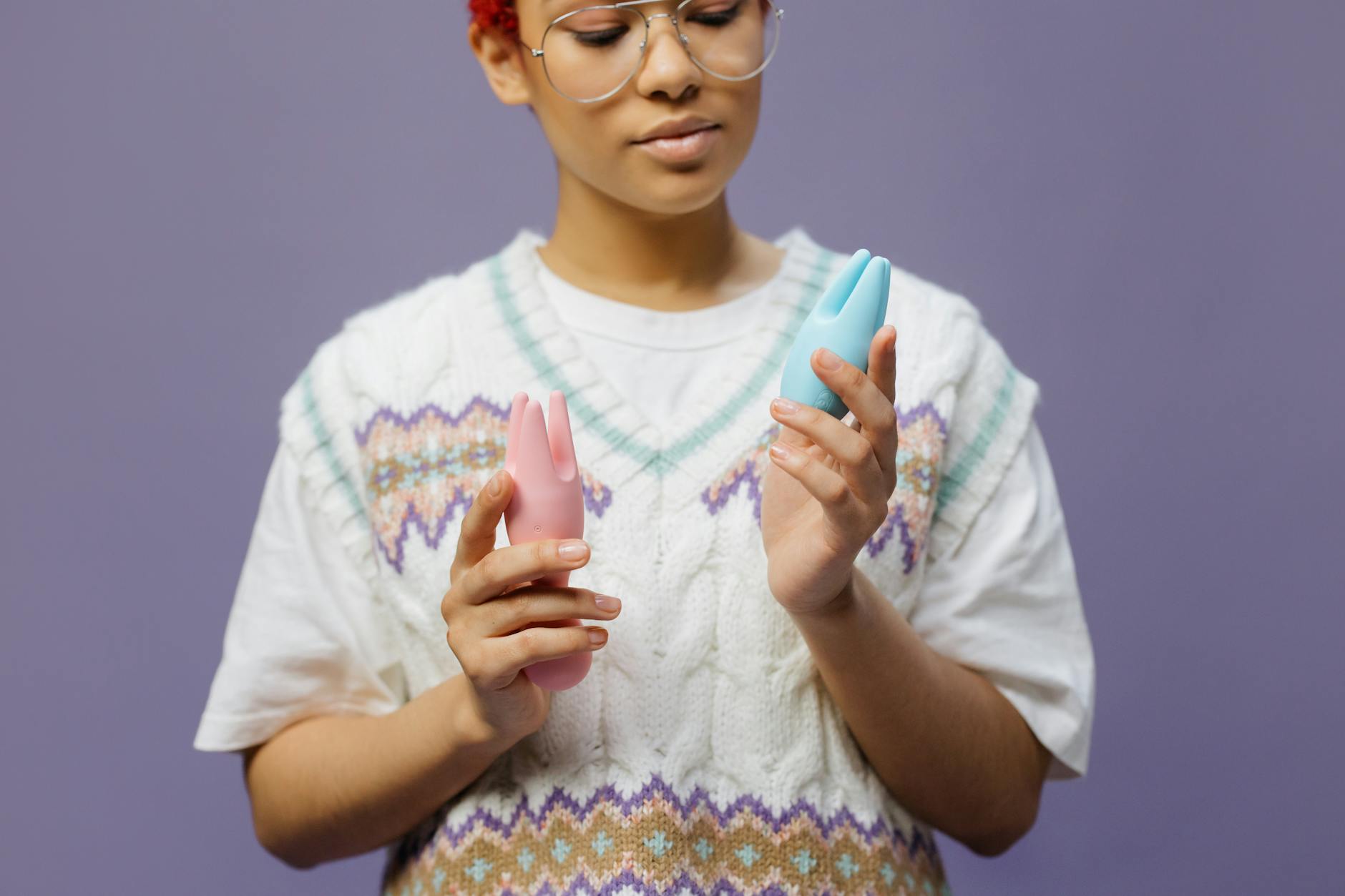
Many people find that a lemon vibrator works better during hormonal transitions than traditional vibrators. Why? Because lemon clitoral vibrators use gentle suction rather than direct friction. Suction stimulates without the mechanical pressure that can feel too sharp on thinner, more sensitive tissue. It's a smarter match for post-hormonal-shift anatomy.
1. Reduced blood flow to nerve clusters. Less estrogen means less engorgement during arousal, which can feel like sensation is muted even though the nerves are firing normally.
2. Mental load is still present. Hormonal changes often arrive alongside other life stress: career shifts, family demands, relationship renegotiation. Your nervous system is divided. Pleasure needs focus.
3. You might be using outdated technique. If your arousal timeline changed from 5 minutes to 15 minutes, you're still expecting instant sensation. That's not a body problem. That's a timing problem.
A lemon sucker (the colloquial term for air-suction vibrators) works via gentle pulsing suction rather than vibration alone. This stimulates a broader area of nerve tissue without requiring sustained friction. For bodies with hormonal shifts that made direct vibration feel uncomfortable or overstimulating, that difference is everything.
The technology also means you can start at lower intensities and still get meaningful sensation. Most lemon vibrators have 5-10 intensity levels. You're not choosing between "barely there" and "overwhelming." You can dial in exactly what your current body needs.
If hormonal changes have altered your sensation, try these four shifts first:
Start with lubrication, always. Water-based lube isn't because something's broken. It's because thinner tissue benefits from it. Silicone-based products feel richer but can degrade silicone toys. Stick with water-based for any lemon vibrator.
Build a longer warm-up. If arousal used to peak in 5 minutes and now takes 15, budget that time intentionally. Foreplay isn't a sprint. Extend it. Your nervous system will catch up.
Lower your opening intensity. Start a lemon vibrator at level 1 or 2, even if you think you want more. Your tissue will respond. You're not testing your threshold. You're inviting sensation gradually.
Pelvic floor release matters more now. Many people do Kegels when sensation fades, but if your pelvic floor is chronically tense from stress or hormonal changes, it's actually restricting blood flow. Learn to actively relax it. That's where the real shift happens.
Hormonal changes often show up differently depending on context. Solo play might feel less intense because you're not aroused by another person's presence. Partnered play might feel scattered because you're managing two nervous systems and your own shifting timeline.
This is normal and fixable. If partnered sensation has flattened, talk about what's actually changed: "My arousal takes longer now" is a different conversation than "I don't want you." When partners understand it's timing and technique, not desire, everything shifts. You can adjust together instead of both feeling confused.
Hormonal changes affect dopamine (motivation and reward) and oxytocin (bonding and sensation amplification). When these shift, pleasure can feel muted not because your body is broken but because your brain chemistry is recalibrating. This often takes 3-6 months to stabilize depending on what hormonal change triggered it (birth control, perimenopause, post-pregnancy, etc.).
During that recalibration, a lemon clitoral vibrator can be a useful reset. It provides consistent, gentle stimulation without requiring your brain to fire on all cylinders. It's a tool that works with your current neurochemistry rather than demanding the old one.
Ignoring hormonal sensation shifts leads people to assume they've lost capacity. That assumption creates anxiety, which tanks arousal further, which feels like confirmation that something's broken. But nothing's broken. You're just operating with different hardware.
Once you accept that hormonal shifts require different technique, pleasure often bounces back stronger than before. Why? Because you're no longer performing the same old script. You're actually attuned to what your body needs right now. That attunement is more powerful than any hormone.
If hormonal shifts have dulled sensation for months and none of these adjustments help, two conversations are worth having.
First, with a menopause-trained gynecologist or GP. Genitourinary syndrome of menopause (GSM) is real and treatable. Topical estrogen creams can restore tissue thickness and sensation within weeks. This isn't about dosing yourself with hormones. It's localized, low-absorption treatment.
Second, with a relationship therapist if you're in a partnership. Hormonal shifts often trigger relationship renegotiation. Are you both mourning the old dynamic? Do you need to rebuild intimacy from scratch? Sometimes sensation feels dull because emotional distance has grown. That requires conversation, not vibration.
Hormonal changes aren't a deadline for pleasure. They're a plot twist. Your body's asking you to learn it differently. A lemon vibrator, used thoughtfully during this transition, isn't a workaround. It's a teacher. It shows you how sensation works now, what timing looks like now, what intensity actually serves you now.
Once you adapt, many people report their most satisfying orgasms happen after hormonal shifts. Not because the body got better. But because the mind finally stopped arguing with it.
Lemon suction vibrators stimulate nerves via gentle pulsing suction rather than direct friction alone. For people whose tissue has thinned or sensation has shifted due to hormonal changes, suction activates a broader nerve area without the sharp pressure of traditional vibration. You also get finer control over intensity, which matters when your sensitivity profile has changed and you need to dial in exactly the right level.
It typically takes 3 to 6 months for your brain chemistry and tissue to recalibrate after a major hormonal change, whether that's from stopping birth control, early perimenopause, post-pregnancy recovery, or other transitions. During that window, being patient with yourself and willing to adjust technique (longer foreplay, different stimulation types, more lubrication) helps a lot. Sensation often stabilizes once you stop fighting the new timeline and start working with it.
Absolutely. Hormonal shifts can change the intensity, duration, or feeling of orgasms without removing the capacity for them entirely. You might notice orgasms feel more focused, less full-body, or require a different build-up. This isn't loss. It's adaptation. Many people find their orgasms become more reliable or localized in satisfying ways once they accept the new pattern instead of chasing the old one.
Yes. If you still menstruate, sensation often shifts across your cycle. During lower-estrogen phases, you might need more warming up, more lubrication, and a gentler starting intensity. During higher-estrogen phases, you might want faster build-up or higher intensity. If you're in perimenopause or post-menopause, your baseline is lower across the board, so consistency with longer warm-ups and steady, gentle intensity often works best. Paying attention to these patterns teaches you how your body currently works.
Yes. Changes to birth control, antidepressants, or hormone therapy can all shift sensation, arousal timing, and orgasm quality. This isn't permanent. Your body will recalibrate, usually within 2 to 8 weeks depending on the medication. During that window, use a lemon vibrator at lower intensities and lengthen your warm-up. Once you stabilize, you can adjust technique again. Talk to your prescriber if sensation changes are distressing. They might adjust your dose or class of medication.
Completely normal. A vibrator that worked at 30 might feel wrong at 45 because your tissue, arousal timing, and sensitivity have all shifted. Rather than assuming you're "broken," it's worth trying something specifically designed for post-hormonal-shift bodies. A lemon vibrator's gentler suction approach is often a better match than the vibration-heavy toys built for younger, higher-estrogen systems. You haven't outgrown pleasure. You've just graduated to a better tool.
Hormonal changes rewire sensation and timing, not desire. Your clitoris, your nerve endings, your capacity for pleasure are all still there. What changed is the map. A lemon vibrator helps you navigate the new one with confidence, knowing that pleasure after hormonal shifts isn't less. It's different, and often deeper, because it's finally honest about how your body actually works.
If you're navigating these changes alone or with a partner and want to explore what works now, reach out. That conversation is worth having.