Let's start with what's actually happening
You've been away from sex for a while. Could be months. Could be years. Life happened.illness, caregiving, heartbreak, depression, medication changes, a partner transition, just plain burnout. The reasons are infinite and they all feel heavy.
Now you're thinking about reconnecting with pleasure, and you're not sure what to expect. Will it feel the same? Will your body remember? Will it hurt? Will you feel numb? The anxiety before is sometimes bigger than the thing itself.
Here's what actually happens physiologically: your nervous system recalibrates when you step away from regular sexual activity. Blood flow patterns change. Muscle tone shifts. Sensation dulls a bit because the neural pathways aren't being reinforced. But here's the good part: none of this is permanent. Your body hasn't forgotten how to feel. It's just dormant, not dead.
Why lemon vibrators are different for returning to pleasure
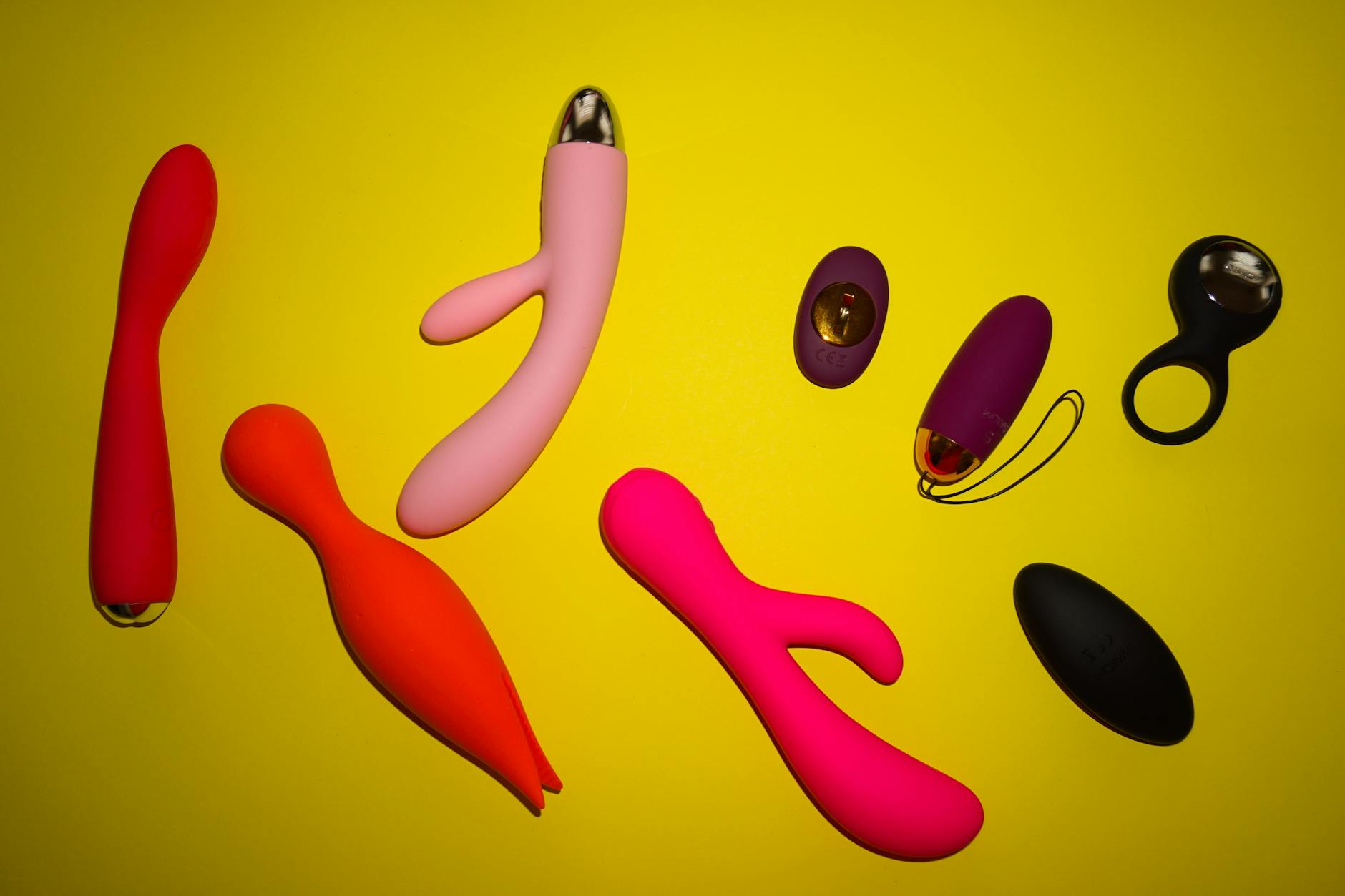
I recommend lemon clitoral vibrators specifically to clients restarting their sexual lives, and the reason isn't complicated. Unlike traditional vibrators, which rely on high-frequency buzzing that can feel jarring on dormant tissue, lemon sexual toys use suction and pulse patterns that wake up sensation more gradually.
Think of it like this. A standard vibrator is like flipping on all the lights at once. Your eyes water. You squint. A lemon vibrator is like slowly brightening a dimmer switch. Your nervous system has time to adjust, recognize the sensation, and respond. The pulsing suction pattern mimics the body's natural response to arousal, which is why returning bodies often find it less disorienting than traditional alternatives.
Plus, there's no pressure to perform. You're not managing a partner's needs. You're not worried about noise or interruption in a crowded house. You're just you, a lemon sucker toy, and permission to feel whatever comes up.
The first week: managing expectations and anxiety
You will probably feel awkward. That's not a problem to fix. It's information.
Most people who take a long break from sex report that the first solo experience feels mechanical, uncertain, or even a bit sad. Sometimes it all three at once. This is totally normal and usually passes within a few sessions. Your brain is rebuilding the connection between sensation and pleasure, and that takes a little time.
Start in a space where you feel genuinely safe and unrushed. Not squeezed in before work. Not half-watching your phone for messages. Block an hour. Use the first twenty minutes just to settle. Put on music if that helps, or silence. Some people find that a warm bath before helps ease into the experience because warm water signals safety to your nervous system.
When you pick up a lemon clitoral vibrator for the first time after a long break, don't go straight to maximum intensity. Start on pattern one or two for five to ten minutes. Notice what you feel. Notice what you don't feel. If sensation is minimal at first, that's not a sign something is wrong. It's a sign you need more time. Your body is remembering, and memory takes repetition.
The second week: recognizing what's different
Sensation probably won't snap back immediately, and that's important to prepare for. Many people returning to sexual activity after extended breaks report that arousal builds slower, orgasms feel further away, or the physical response feels muted compared to how they remember it.
This is usually not a health problem. It's a reactivation lag. Think of it like fitness. If you stop running for a year and then try to sprint, your lungs aren't suddenly broken. They just need reconditioning.
With a lemon vibrator, you have tools to work with this. You can play with different suction intensities, experiment with rhythm changes, and explore for longer without fatigue. The toy isn't doing the work for you. It's giving your nervous system specific, predictable feedback while your brain gets back online.
If you're working with a partner and you're restarting together, keep this conversation separate from the emotional stuff. "My body is taking a few weeks to warm up" is different from "I'm not sure I'm attracted to you anymore." Say both if both are true, but don't mix them. Partners often misread slow arousal as rejection. Naming it as a physical recalibration helps everyone relax.
What you might feel emotionally (and why)
Pleasure involves your brain. It's not just about nerves and friction. Grief, shame, relief, joy, loneliness, and sometimes all of them at once can show up in your body when you're reconnecting after a long pause.
I've had clients cry during their first solo session in years. Not because something hurt. Because they were back. Because they'd thought this part of themselves was closed off. Because pleasure meant they were healing, and that was huge.
Other people feel nothing emotionally and find that confusing. They thought it would be more. Or they expected to feel broken and found they didn't. Both responses are fine.
Give yourself permission to not know what you'll feel before you start. Bring curious attention instead of expectation. A lemon vibrator gives you something neutral to focus on while your emotional system catches up.
Building a sustainable restart rhythm
Consistency matters more than intensity when you're returning. Once or twice a week for four to six weeks usually is enough to reactivate sensation and rebuild confidence. This is not a sprint.
Many people find that after about a month of consistent solo practice with a lemon clitoral vibrator, sensation feels notably sharper. By six to eight weeks, orgasm usually returns to something closer to your baseline. Some people report that it feels even better than before, maybe because you're doing it with intention this time instead of on autopilot.
If you notice that sensation isn't improving after six weeks of regular practice, or if pain appears, check in with your doctor. Sometimes medication changes, hormonal shifts, or underlying health stuff needs professional attention. That's not failure. That's information.
Reintroducing partner activity (if that's relevant)
If you're planning to include a partner eventually, solo practice first buys you confidence. You get to know your own body's rhythm again before you add another person's needs and timing to the equation. This is especially important if past sexual experiences involved pressure, control, or performance anxiety.
When you do bring a partner in, lemon vibrators are still your friend. Some couples find that using the toy during partner sex helps the returning partner feel more agency and pleasure without the pressure to perform at the same speed as someone who hasn't been on hiatus. You're not replacing your partner. You're giving your nervous system support while you both figure out what works.
Talk about it first. Show them the toy. Tell them what you're hoping for. If your partner thinks toys kill intimacy (spoiler: they don't), you might find How to Use a Lemon Vibrator When Your Partner Thinks Toys Kill Intimacy helpful.
When to consider seeking professional support
Most people reconnect with pleasure fine on their own timeline with the right tools. But sometimes a long break from sex is connected to something bigger: untreated depression, trauma history, severe relationship rupture, or body image struggles that need more than a vibrator can provide.
If you find yourself consistently feeling numb, ashamed, or deeply anxious about starting again after several weeks of trying, talk to a therapist. There's no weakness in that. Pleasure is connected to your whole self, and sometimes the nervous system needs more support than toys alone can give.
Similarly, if you're dealing with vaginismus, pain, or significant pelvic floor tension after your break, a pelvic floor physical therapist is worth exploring. How to Use a Lemon Vibrator When You Have Vaginismus or Pelvic Tension covers this specifically, but professional assessment matters too.
The reframe that actually helps
You're not broken. You're not starting from zero. You're reactivating something dormant, and that process looks different than the first time you explored pleasure. Your body will remember faster than you think. Your mind will catch up after. And a lemon vibrator, with its thoughtful suction design and graduated intensity, is built for exactly this moment.
Give yourself grace for the weirdness. The first few sessions might feel mechanical or sad or strange. That's normal. By week three or four, most people find their rhythm. By week eight, most people are back to baseline or better.
Pleasure is your birthright, not a performance you owe anyone. Coming back to it on your own terms, at your own pace, with tools that actually support your nervous system? That's the whole thing.
People also ask
How long does it take for sensation to return after not having sex for a long time?
Most people notice significant improvement in sensation within four to six weeks of consistent practice. That might mean solo exploration once or twice a week with a lemon clitoral vibrator. Some report that arousal feels sharper within two to three weeks. Others need eight to ten weeks. Your timeline depends on how long you were away, your stress levels, medication, hormones, and a bunch of individual factors. The important thing is consistency, not intensity. Two focused sessions a week usually works better than one marathon session.
Will my body remember how to have an orgasm after years away?
Yes, almost always. Your body's capacity for orgasm doesn't disappear with time away. What changes is the neural pathway that connects sensation to response, and that reconnects with practice. Think of it like a muscle that's dormant but not dead. A lemon vibrator helps because the suction pattern provides consistent, predictable feedback that helps your nervous system rewire faster. Most people return to orgasm capacity within six to twelve weeks, though some notice it sooner.
Is it normal to feel emotional or sad during solo play when starting again?
Completely normal. Pleasure involves your whole nervous system, including the emotional centers. Coming back to pleasure after loss, illness, heartbreak, or just burnout can bring up grief, relief, joy, or a mix of all three. Some people cry. Some people feel numb. Some people feel weirdly liberated. All of it is fine. Give yourself permission to feel whatever shows up without judging it as good or bad.
What if I feel numb or disconnected even with a vibrator?
Numbness sometimes means you need more time. Sometimes it means something medical like depression, medication side effects, or hormonal changes needs attention. If you've been consistent for six weeks and sensation still isn't improving, check in with your doctor. If the numbness is more emotional than physical (you feel disconnected from your body or your pleasure), a therapist can help. A lemon vibrator is a tool, but it's not a substitute for professional support if something bigger is going on.
Can I use a lemon vibrator with a partner right after taking a break from sex?
Absolutely, but solo practice first usually builds more confidence. When you've practiced alone for a few weeks, you know your body's rhythm and what feels good. That knowledge makes partnered experiences feel less pressured. Some couples find that introducing the toy during partnered sex actually reduces anxiety because it gives the returning partner agency and predictable sensation while you're both getting used to being together again.
What if my partner is uncomfortable with me using a lemon vibrator to ease back into sex?
That's worth a conversation. Sometimes discomfort is about insecurity (feeling replaced). Sometimes it's misinformation (thinking toys kill connection). Sometimes it's about control. The best move is to separate facts from feelings. Share what you're trying to do (rebuild your own sensation and confidence) and why a lemon clitoral vibrator helps (the suction pattern is gentler for dormant tissue). If your partner is still uncomfortable after honest conversation, couples therapy might help, or they might need to work through their own stuff. But your right to reconnect with your body doesn't disappear because someone else is uncomfortable.
Next steps
Reconnecting with pleasure after a long break is one of the most honest things you can do for yourself. You're not chasing performance. You're not trying to be someone's fantasy. You're building a relationship with your own body again, on your own timeline.
If you're ready to start, begin with solo practice. Give yourself permission for it to feel awkward. Use something designed for gradual reactivation, like a lemon vibrator from My Lem Store. Show up consistently but gently. Trust that your body remembers faster than your mind believes.
If you hit a wall, reach out. Whether it's a question about the toy, a concern about your body, or just needing someone to tell you that what you're experiencing is normal, I'm here. Get in touch at /contact.